

The Science Behind Bone Health & REMS Technology
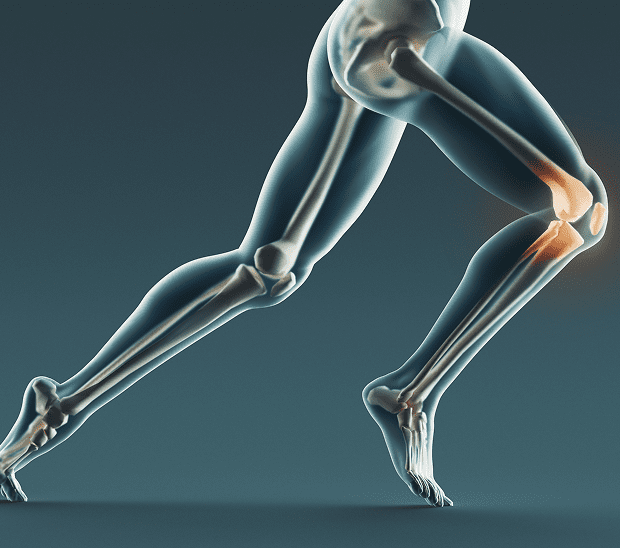
Understanding Bone Density
Bone density is a key indicator of bone strength and health. It measures the amount of bone tissue in a specific area, helping to predict your risk of fractures and osteoporosis. Healthy bones are dense, resilient, and able to support daily activities. However, as we age or encounter certain risk factors, bones can lose density, becoming fragile and more susceptible to breaks—even from minor falls or injuries.
Why Bone Health Matters
Osteoporosis is often called the 'silent disease' because it progresses without symptoms until a fracture occurs. Fractures—especially in the hip, spine, or wrist—can have a significant impact on mobility, independence, and overall quality of life. Early detection of low bone density is crucial, as it allows you to take proactive steps to strengthen bone and reduce the risk of serious injury.
Introducing REMS: The Next Generation in Bone Assessment
At Carolina Skeletal Solutions, we use Echolight REMS (Radiofrequency Echographic Multi Spectrometry)—a cutting-edge, FDA-approved ultrasound technology that represents a breakthrough in bone health assessment.
How REMS Technology Works
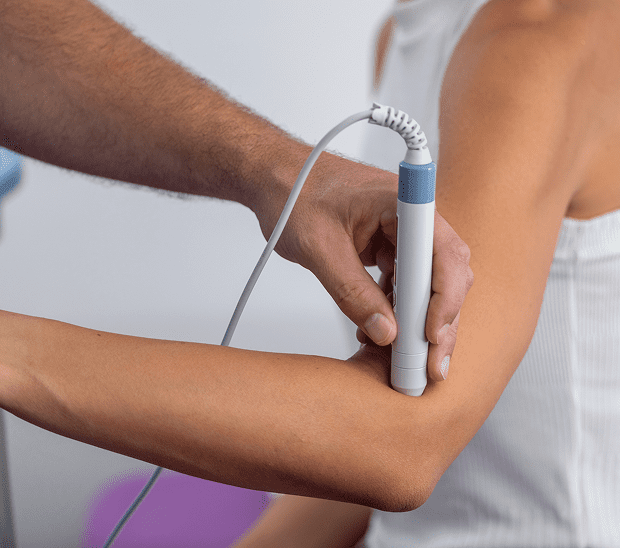
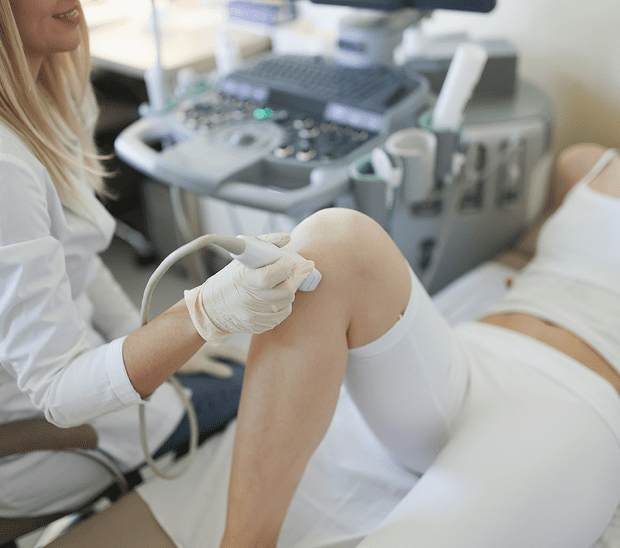
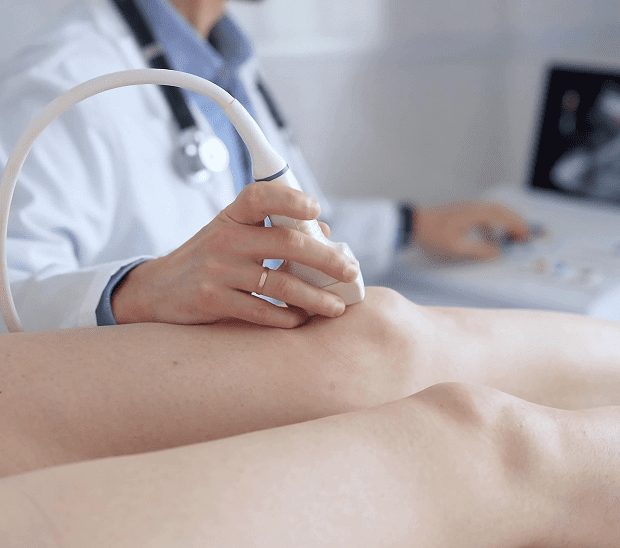
Traditional bone scans, like DEXA, use X-rays to measure bone density, exposing patients to ionizing radiation. REMS, on the other hand, uses safe, painless ultrasound waves. During the scan, these waves are transmitted through the bone and reflected back, allowing the device to analyze both the density and the microarchitecture (the internal structure) of your bones.
REMS technology evaluates key areas most at risk for osteoporosis-related fractures, such as the lumbar spine and femur (upper thigh bone). The process is quick, comfortable, and requires no special preparation.
Going Beyond Density: The Fragility Score
One of the most advanced features of REMS is the Fragility Score. While traditional scans focus only on bone density, the Fragility Score considers the quality of bone tissue—offering a more comprehensive and accurate assessment of your fracture risk. This means you receive a personalized risk profile, not just a number, and can make truly informed decisions about your health.
You’ll also receive T-scores and Z-scores, which compare your bone density to that of a healthy young adult and to the average for your age and gender. These scores help identify if your bone loss is typical for your age or if it needs special attention.
The Advantages of REMS Over Traditional DEXA Scans
REMS provides several important benefits:

No Radiation Exposure
REMS uses ultrasound, making it safe for frequent monitoring and suitable for children, pregnant women, and anyone concerned about radiation.
Greater Accuracy
REMS minimizes the chance of error by analyzing sound wave interactions with bone tissue, and is less susceptible to factors (like improper positioning or movement) that can affect DEXA results.

Comprehensive Insight
By analyzing bone quality as well as density, REMS delivers a more complete picture of your bone health.

Quick, Comfortable, and Convenient
The scan takes just minutes, with immediate results discussed during your visit, so you can leave with a clear plan.
Who Should Consider a REMS Scan?
You may benefit from a REMS scan if you:
The Future of Bone Health Assessment
REMS technology represents a major step forward in the fight against osteoporosis. Its ability to detect changes in bone quality and structure before significant bone loss occurs means earlier intervention and, potentially, better outcomes for patients.
At Carolina Skeletal Solutions, we believe that knowledge is power. Our goal is to bring this innovative, radiation-free technology to our community—making early detection, prevention, and peace of mind accessible to everyone.
Ready to Learn More?
If you want to understand your bone health, prevent osteoporosis, or simply take an active role in your wellness, a REMS scan is a smart, safe, and effective choice.